Farrow & Ball Limewash
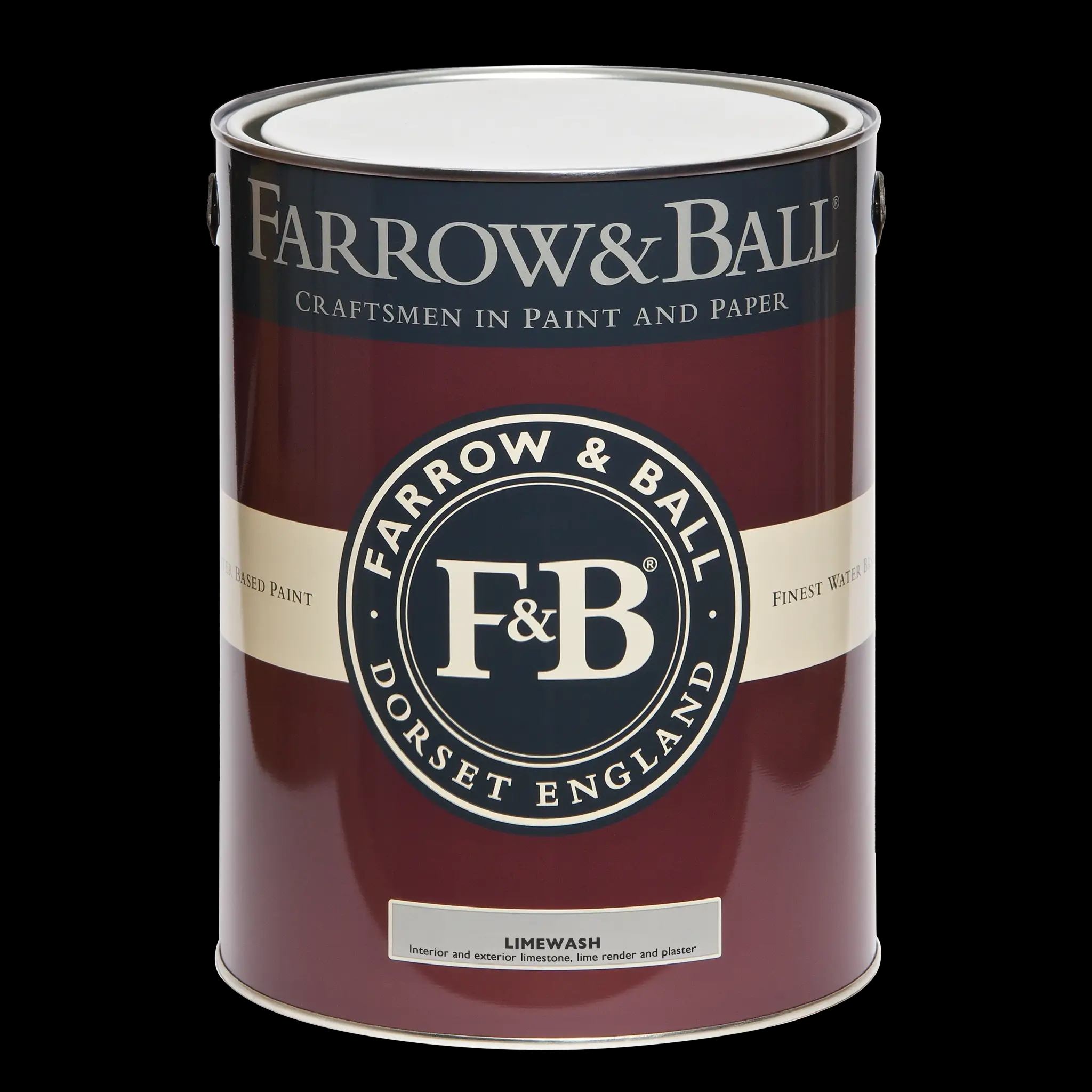
- Lime White No. 1
- Fawn No. 10
- Stone White No. 11
- Bone No. 15
- Cord No. 16
- Light Gray No. 17
- French Gray No. 18
- Hound Lemon No. 2
- Buff No. 20
- Strong White No. 2001
- White Tie No. 2002
- Pointing No. 2003
- Slipper Satin No. 2004
- All White No. 2005
- Great White No. 2006
- Dimity No. 2008
- Clunch No. 2009
- Shaded White No. 201
- James White No. 2010
- Blackened No. 2011
- House White No. 2012
- Matchstick No. 2013
- Pink Ground No. 202
- Tallow No. 203
- Pale Powder No. 204
- Skylight No. 205
- Green Ground No. 206
- Pink Drab No. 207
- Ringwold Ground No. 208
- Ointment Pink No. 21
- Stony Ground No. 211
- Savage Ground No. 213
- Arsenic No. 214
- Chemise No. 216
- Yellow Ground No. 218
- Light Blue No. 22
- Joa's White No. 226
- Archive No. 227
- Cornforth White No. 228
- Elephant's Breath No. 229
- Powder Blue No. 23
- Calamine No. 230
- Setting Plaster No. 231
- Vert de Terre No. 234
- Teresa's Green No. 236
- Wimborne White No. 239
- Cat's Paw No. 240
- Skimming Stone No. 241
- Pavilion Gray No. 242
- Charleston Gray No. 243
- Pigeon No. 25
- Tunsgate Green No. 250
- Pavilion Blue No. 252
- Oxford Stone No. 264
- Manor House Gray No. 265
- Mizzle No. 266
- Dove Tale No. 267
- Plummett No. 272
- Ammonite No. 274
- Purbeck Stone No. 275
- Mole's Breath No. 276
- Dead Salmon No. 28
- Shadow White No. 282
- Drop Cloth No. 283
- Worsted No. 284
- Cromarty No. 285
- Peignoir No. 286
- School House White No. 291
- Jitney No. 293
- De Nimes No. 299
- Off-White No. 3
- Stirabout No. 300
- Tailor Tack No. 302
- Templeton Pink No. 303
- Scallop No. 311
- Cooking Apple Green No. 32
- Hay No. 37
- Biscuit No. 38
- Fowler Pink No. 39
- Old White No. 4
- Cream No. 44
- Hardwick White No. 5
- Wall White No. 58
- New White No. 59
- London Stone No. 6
- Smoked Trout No. 60
- Entrance Hall Pink No. 61
- Dutch Pink No. 62
- Menagerie No. 63
- Farrow's Cream No. 67
- Dorset Cream No. 68
- Pale Hound No. 71
- Ball Green No. 75
- Card Room Green No. 79
- String No. 8
- Dix Blue No. 82
- Chappell Green No. 83
- Green Blue No. 84
- Oval Room Blue No. 85
- Lamp Room Gray No. 88
- Light Stone No. 9
- Blue Gray No. 91
- Double Cream No. 9907
- 5L
- Lime White No. 1
- Fawn No. 10
- Stone White No. 11
- Bone No. 15
- Cord No. 16
- Light Gray No. 17
- French Gray No. 18
- Hound Lemon No. 2
- Buff No. 20
- Strong White No. 2001
- White Tie No. 2002
- Pointing No. 2003
- Slipper Satin No. 2004
- All White No. 2005
- Great White No. 2006
- Dimity No. 2008
- Clunch No. 2009
- Shaded White No. 201
- James White No. 2010
- Blackened No. 2011
- House White No. 2012
- Matchstick No. 2013
- Pink Ground No. 202
- Tallow No. 203
- Pale Powder No. 204
- Skylight No. 205
- Green Ground No. 206
- Pink Drab No. 207
- Ringwold Ground No. 208
- Ointment Pink No. 21
- Stony Ground No. 211
- Savage Ground No. 213
- Arsenic No. 214
- Chemise No. 216
- Yellow Ground No. 218
- Light Blue No. 22
- Joa's White No. 226
- Archive No. 227
- Cornforth White No. 228
- Elephant's Breath No. 229
- Powder Blue No. 23
- Calamine No. 230
- Setting Plaster No. 231
- Vert de Terre No. 234
- Teresa's Green No. 236
- Wimborne White No. 239
- Cat's Paw No. 240
- Skimming Stone No. 241
- Pavilion Gray No. 242
- Charleston Gray No. 243
- Pigeon No. 25
- Tunsgate Green No. 250
- Pavilion Blue No. 252
- Oxford Stone No. 264
- Manor House Gray No. 265
- Mizzle No. 266
- Dove Tale No. 267
- Plummett No. 272
- Ammonite No. 274
- Purbeck Stone No. 275
- Mole's Breath No. 276
- Dead Salmon No. 28
- Shadow White No. 282
- Drop Cloth No. 283
- Worsted No. 284
- Cromarty No. 285
- Peignoir No. 286
- School House White No. 291
- Jitney No. 293
- De Nimes No. 299
- Off-White No. 3
- Stirabout No. 300
- Tailor Tack No. 302
- Templeton Pink No. 303
- Scallop No. 311
- Cooking Apple Green No. 32
- Hay No. 37
- Biscuit No. 38
- Fowler Pink No. 39
- Old White No. 4
- Cream No. 44
- Hardwick White No. 5
- Wall White No. 58
- New White No. 59
- London Stone No. 6
- Smoked Trout No. 60
- Entrance Hall Pink No. 61
- Dutch Pink No. 62
- Menagerie No. 63
- Farrow's Cream No. 67
- Dorset Cream No. 68
- Pale Hound No. 71
- Ball Green No. 75
- Card Room Green No. 79
- String No. 8
- Dix Blue No. 82
- Chappell Green No. 83
- Green Blue No. 84
- Oval Room Blue No. 85
- Lamp Room Gray No. 88
- Light Stone No. 9
- Blue Gray No. 91
- Double Cream No. 9907
- 5L
- Very flat matt finish
- Highly breathable
- Unique textured look
- Water-based
- Trace V.O.C
For a breathable finish, this historical, designer favourite is suitable for solid lime render exterior walls and interior walls and ceilings. Bonding to the building itself, it protects your home from the elements. Professional application recommended.
Farrow & Ball Limewash is not washable or wipeable. The very matt finish of this product will result in the surface being marked or scuffed if cleaning is attempted.
For best results, make sure your surface, tools and product are clean before you begin.
Cleaning Prior to Painting
- For most surfaces it is recommended to use a dilute Sugar Soap solution following the manufacturers instructions
- It is not recommended using solvent-based cleaning products or strong alkaline solutions as these can impact adhesion
- After cleaning, wipe the surface with a damp cloth and allow to dry
New Substrates
- Farrow and Ball Limewash may be applied directly
Structurally damaged surfaces
- Cracking or loose plaster must be repaired or filled with a lime based mortar / filler
- Farrow & Ball do not recommend the use of modern fillers on lime based substrates as they will trap moisture and are too hard, leading to cracking and uneven porosity when painting
- Any repairs must be of the same density as the substrate to avoid uneven colour
Unfound surfaces
- Any any loose particles, dust, dirt, lichen and grease must be brushed or washed off
- Fungal or algal contaminated surfaces should be treated with an appropriate fungicidal wash or dilute bleach to remove any microbiological spores and to stop further growth
- Allow to dry completely and brush clean
- Do not use fungicides which contain silicon, Farrow & Ball Limewash is not suitable for use with impervious surfaces, such as hard cement renders, gypsum plaster or bricks and does not work well with sandstone
Always make a test area before the application to judge the suitability of the product. Follow the manufacturer's instructions at all times. Ensure all surfaces are sound, clean, dry and free from dirt, grease and other contamination
Please note: Darker/stronger colours may require additional coats. The drying and recoat times provided are based on applying paint in normal conditions. Drying times may be longer in cooler and/or higher humidity environments. Darker colours may take longer to dry.
Do not paint in temperatures below 10°C or in excessive heat above 30°C. Avoid painting in direct sunlight. Avoid applying outdoors if there is a likelihood of rain. For best results apply early in the day, allowing the product to dry before the evening. This product should be applied in accordance with Annex C of BS 6150: Code of practice for painting of buildings.
- Stir thoroughly before use and during application ideally every 10 - 15 minutes
- The Limewash should be applied in several thin coats. Apply with a long haired or masonry paintbrush working in areas no larger than 1m² at a time
- No more than one coat should be applied per day
- Lime renders can vary dramatically in porosity, leading to patching, this is more pronounced when using dark colours
- Limewash requires a minimum of three coats to build up opacity and even out irregularities in tone
- When using Farrow and Ball 15 Year Exterior Masonry and Farrow & Ball Limewash on the same property there will be a noticeable difference in both texture and colour
- Dilute the Limewash with water to suit site conditions, this would typically be between 10 - 30% but could be up to 100% depending on the surface being painted
- When more than one tin of the same colour is to be used ensure that batch numbers are identical or intermix before use, stir well before and often during application. Dampening down is very important for a good finish
- Limewash should only be applied to a freshly dampened surface, Limewash should never be applied to a dry surface, as this will cause rapid drying out of the Limewash and result in dusting
- Old Limewash, cob, and lime plaster will need more dampening down than harder surfaces
- Ensure the Limewash is applied as evenly as possible and is well worked into any cracks and joins, but not allowing it to build up too thickly at any point or it will craze on drying out
- Avoid losing a wet edge as you move to the next area, damping as you go
- For subsequent coats allow the previous coat to dry out completely, preferably overnight. Lightly dampen down with water the previous coat before applying the next
- A minimum of four coats should be applied; more on new external surfaces or when changing colour
- After the initial drying out, Limewash will continue to harden and strengthen for several weeks
- Newly lime plastered surfaces should be fully carbonated and cured for 4-5 weeks prior to application
Please Note: Certain colours may appear up to 10 shades darker when wet and due to the traditional nature of this finish, Farrow & Ball Limewash will not accept subsequent layers of modern paints.